Pound sterling (£) - GBP
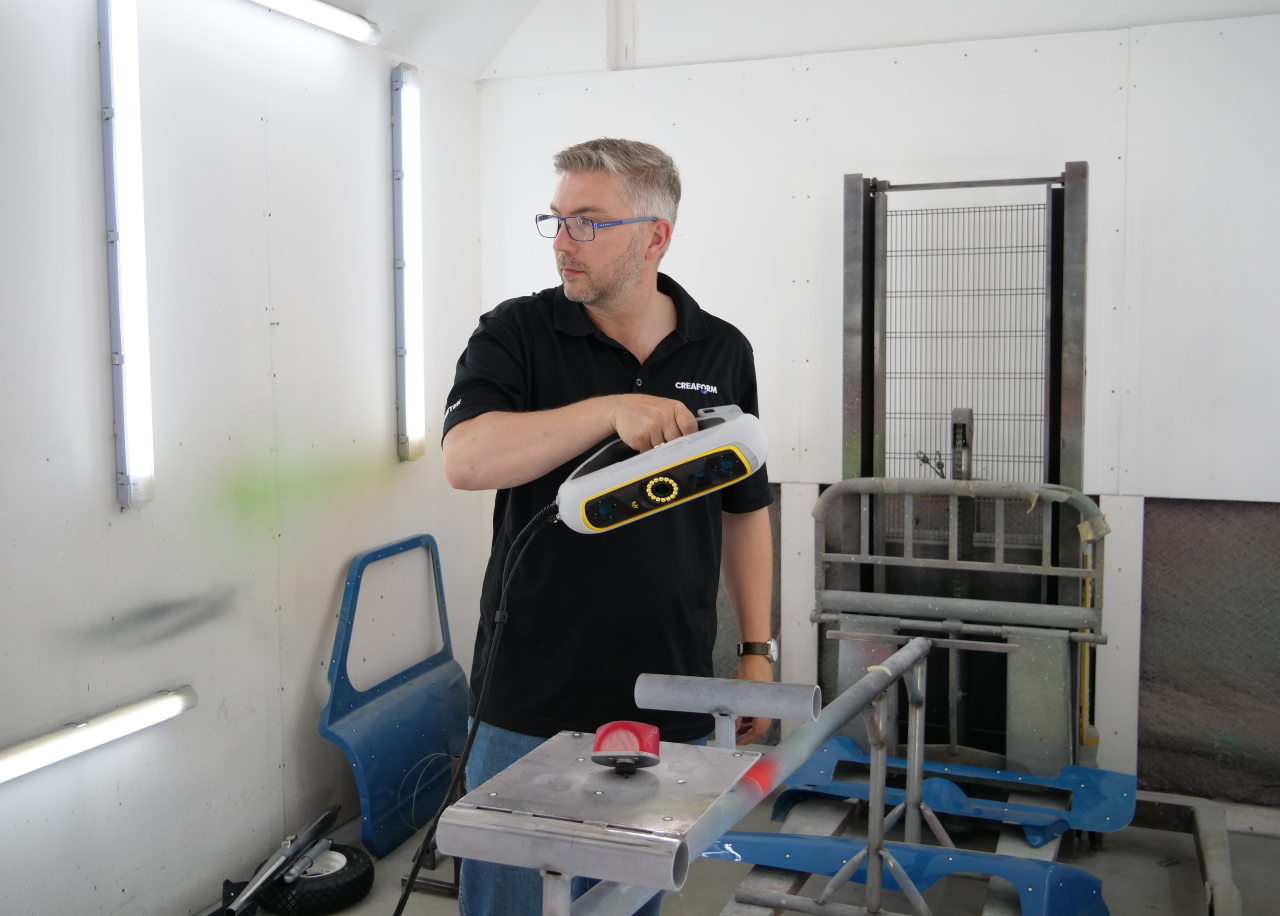
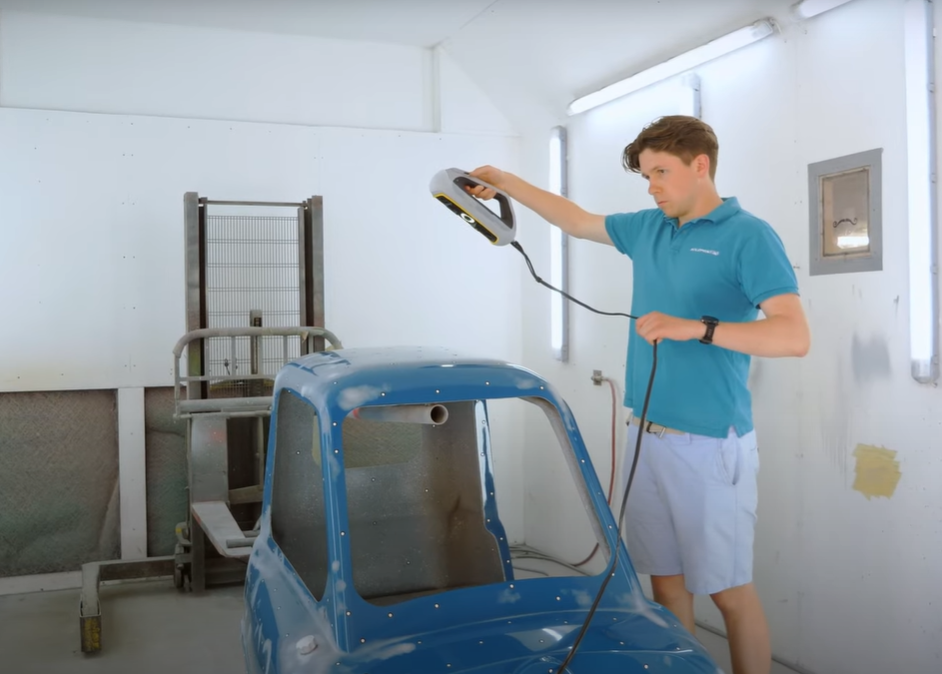
Today we have the ginormous pleasure of scanning the tiniest of cars — the Peel P50.
Benjamin Keer – Technical Engineer, Solid Print3D
When a company called Peel 3D gets in touch to scan your P50s, the answer is obvious.
Peel 3D visited our workshop with a simple but ambitious idea: digitally capture an entire Peel P50 in extreme detail, then scale it down into a fully buildable 3D-printed model. What followed was one of the most thorough digital documentations of a Peel P50 ever undertaken.
Every component was scanned—bodyshell, chassis, suspension, steering, and even the original DKW engine—each captured as high-resolution 3D data. Watching the process was fascinating: modern metrology tools meeting the smallest cars ever made.
The results went far beyond a scale model.
We received the full 3D data set and have since used those files to enhance the way we build our cars—checking proportions, refining components, and validating details against the original geometry. It has allowed us to get even closer to the original cars, not by guesswork, but by measured accuracy.
This collaboration is a perfect example of how modern technology can support heritage manufacturing: not replacing craftsmanship, but strengthening it.
Peel × Peel — Project Overview
(from the Creaform case study)
Client: Peel 3D
Industry: Advanced Technologies
Expertise:
Reverse Engineering
Mechanical Engineering
Advanced Surface Modeling
The project set out to prove that an entire car could be digitally captured and faithfully recreated at scale using modern 3D scanning and reverse-engineering techniques.
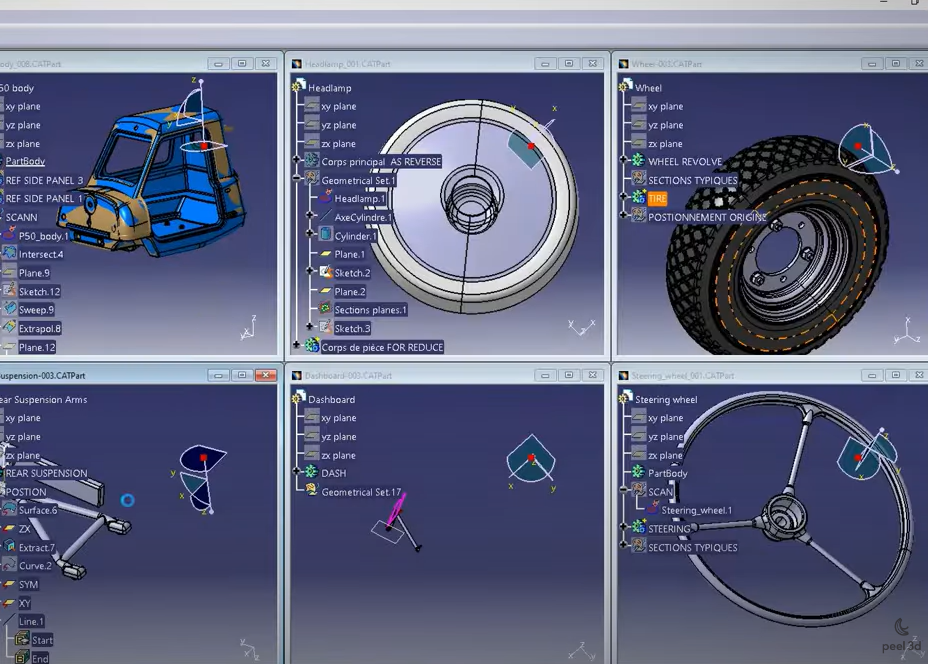
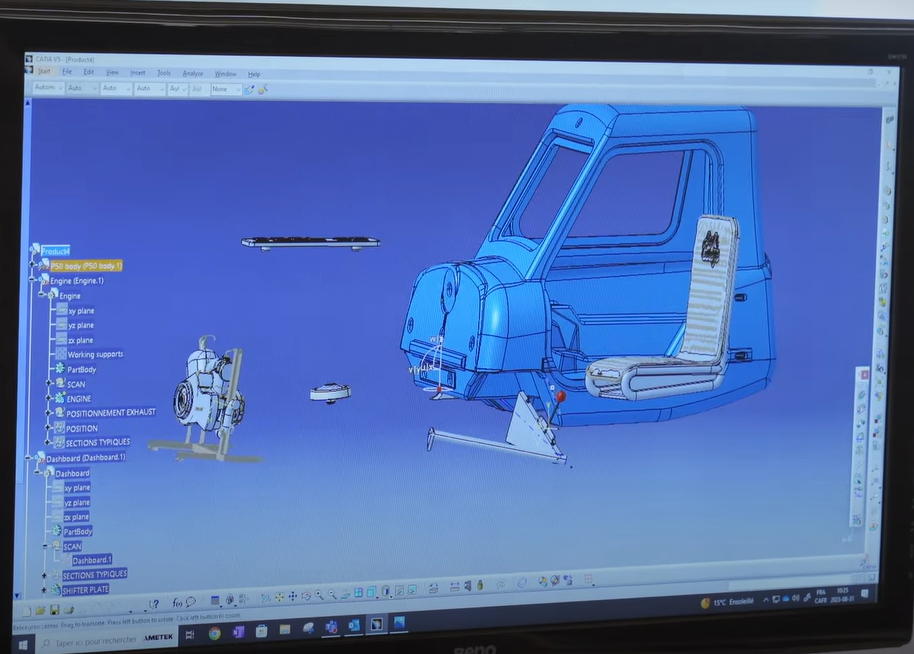
Solid Print3D scanned the Peel P50 using Peel 3D’s handheld scanning technology, generating a complete digital capture of the vehicle. The scan data was then processed by Creaform Engineering, who reverse-engineered each system into precise CAD models using CATIA V5.
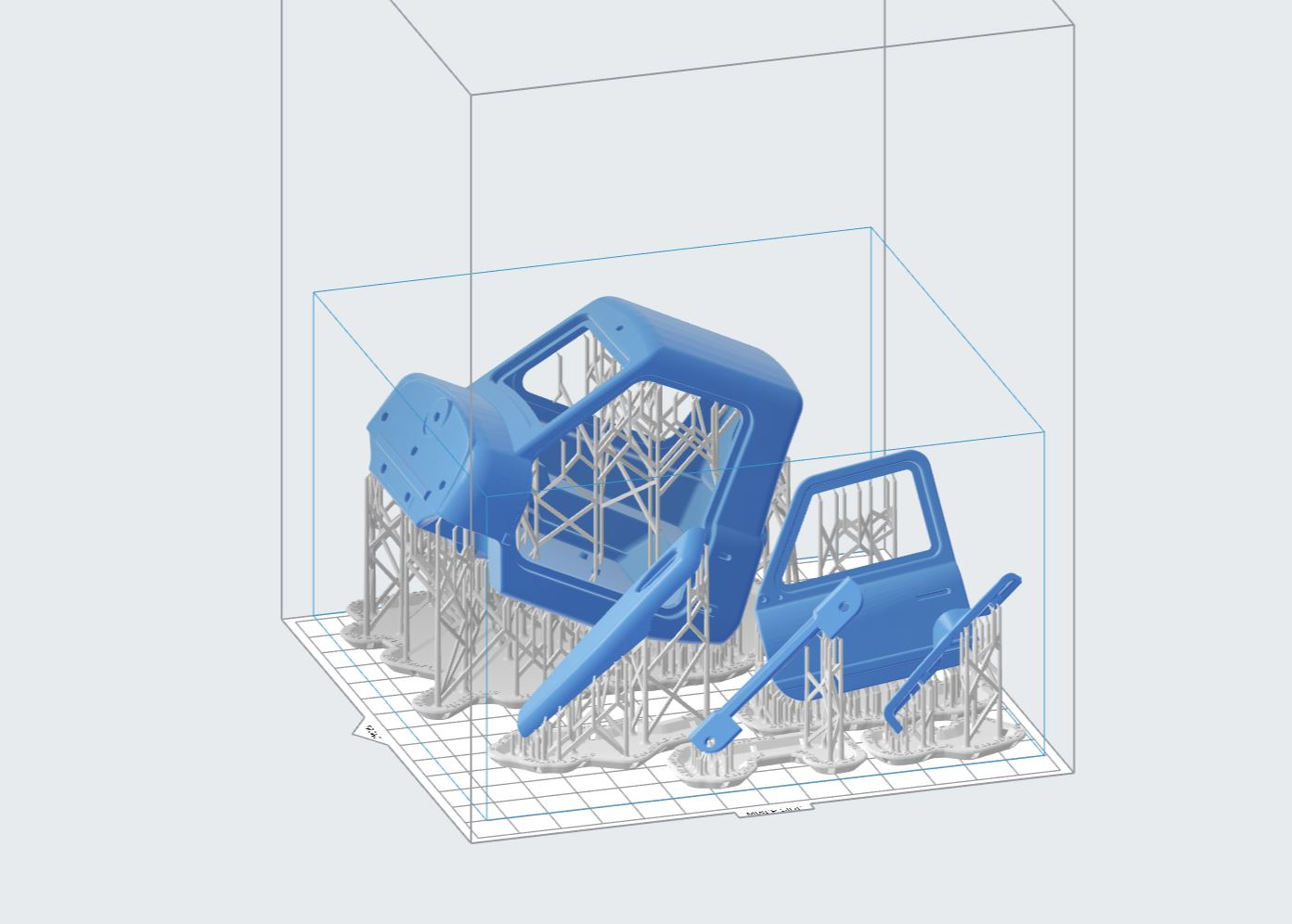
While some adaptations were required for scale and printability, the finished result demonstrated just how powerful modern scanning and modeling tools can be—turning a 1960s microcar into a downloadable, buildable digital object.
About the 3D-printable model
The 3D-printable Peel P50 model produced as part of this project was created and released independently by Peel 3D as a demonstration of what modern handheld 3D scanning and reverse engineering can achieve.
While the printable model is scaled and adapted for additive manufacturing, the original high-resolution scan data has also been invaluable to us in refining the accuracy of our own builds.
The printable model is available via Peel 3D’s official project page.